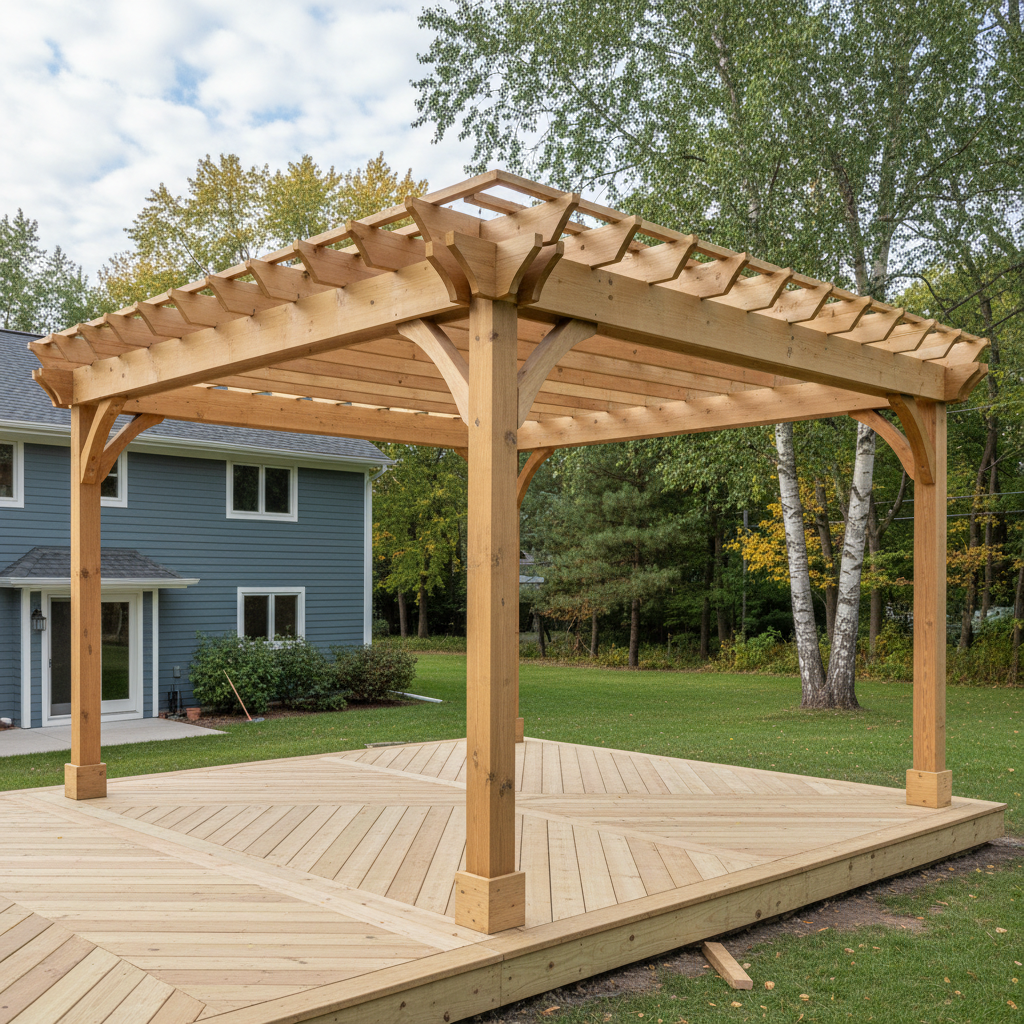
A pergola really adds something special to your yard, doesn't it? It's that perfect spot for a little shade, for climbing plants to wind around, or just for kicking back after a long day. But here in Minneapolis, with our brutal winters, wet springs, and those hot, sticky summers, your pergola takes a real beating. You can't just build it and then forget about it. If you want that beauty to last, you've got to put in a little effort. And when I say 'effort,' I mean smart, targeted maintenance that actually makes a difference.
Extending Your Pergola's Life: It All Starts with the Build
First off, the absolute best way to make your pergola last longer is to ensure it was built correctly from day one. That means using the right materials and proper construction techniques specifically for our climate. We're talking about pressure-treated lumber, cedar, or composite materials — stuff that can actually handle our freeze-thaw cycles. Fasteners matter too; galvanized or stainless steel are a must-have to prevent rust streaks and keep the structure strong. Now, if your pergola's already standing, don't worry too much, but it's always good to know what you're working with.
For wood pergolas, a good quality stain or sealant is your first line of defense. This isn't just about making it look nice; it's about shielding the wood from harsh UV rays, moisture, and rot. You'll want to reapply this every two to three years, give or take, depending on the product you use and how much sun and rain it gets. Seriously, don't skip this step. Think of it like sunscreen for your pergola.
Regular Maintenance: What You Should Do Every Year
Okay, so what does the routine actually look like? It's pretty simple, honestly. I usually tell folks to give it a quick once-over in the spring right after the snow melts, and then another check in the fall before the real cold weather sets in.
- Clean it Up: In the spring, give the whole structure a thorough cleaning. A soft brush and a mild soap-and-water solution usually get the job done. For tougher grime, you *can* use a pressure washer, but keep it on a very low setting. Be super careful not to damage the wood fibers, especially with cedar. Make sure to get rid of any mildew or algae buildup, particularly on the north-facing sides or in any shady spots that tend to stay damp.
- Check Fasteners: Walk all the way around your pergola. Look at every single bolt, screw, and nail. Are any loose? Are any starting to pop out? Tighten anything that feels wobbly. If you notice significant rust, you might need to swap out those fasteners.
- Inspect for Damage: Look closely for cracks, splinters, or any early signs of wood rot. Pay extra attention to the posts where they meet the ground or deck, and any joints where water might collect. If you have climbing plants, gently pull them back a bit and check the wood underneath.
- Clear Debris: Don't let leaves, dirt, and other organic stuff pile up on the beams or around the base of the posts. This kind of debris holds moisture, and moisture, my friend, is wood's worst enemy.
- Re-seal/Re-stain: Like I said, every few years, you'll need to put on that fresh layer of protective finish. If you notice water isn't beading up on the surface anymore, it's definitely time.
Warning Signs: When Something's Just Not Right
You don't need to be a professional contractor to spot trouble. Your pergola will pretty much tell you when it's hurting. Here's what to keep an eye out for:
- Soft Spots or Discoloration: If you poke at the wood with a screwdriver and it feels mushy or punky, that's rot. Dark, spongy areas are also a really bad sign.
- Cracks or Splits: Small checks in wood are normal, but large, deep cracks can seriously compromise the structure's strength.
- Wobbly Posts or Beams: If you can shake a post and it moves more than just a tiny bit, you've got a problem. This often points to issues with the footings or how the posts are anchored.
- Pest Damage: Look for small holes, sawdust trails, or tunnels in the wood. Carpenter ants and termites just love damp, rotting wood, don't they?
- Sagging Beams: If the horizontal beams look like they're bowing in the middle, that's a serious structural concern you shouldn't ignore.
- Rust Stains: These usually mean your fasteners are corroding, which can weaken the connections over time.
When to Call a Professional (Like Us at Elite Deck Solutions)
Listen, a lot of the routine stuff you can absolutely handle yourself. But there are times when it's just smarter, and frankly, safer, to call in the pros. If you see any of the serious warning signs I just talked about – significant rot, major cracks, wobbly posts, or sagging beams – please don't try to DIY a fix. Structural issues with a pergola can be dangerous if they're not addressed correctly. We've seen plenty of pergolas in older Minneapolis neighborhoods, especially in places like Linden Hills or Tangletown, where the original footings just weren't designed for the long haul, or the wood has simply given up after decades of our crazy weather.
Also, if you're not comfortable working on ladders, or if the repair involves replacing large sections of wood or re-anchoring posts, that's our cue. We've got the tools, the experience, and the know-how to get it done right, making sure your pergola is safe and sound for years to come. Don't wait until a small problem turns into a major, expensive rebuild. A quick inspection and a targeted repair can save you a lot of headache and money down the line, believe me.