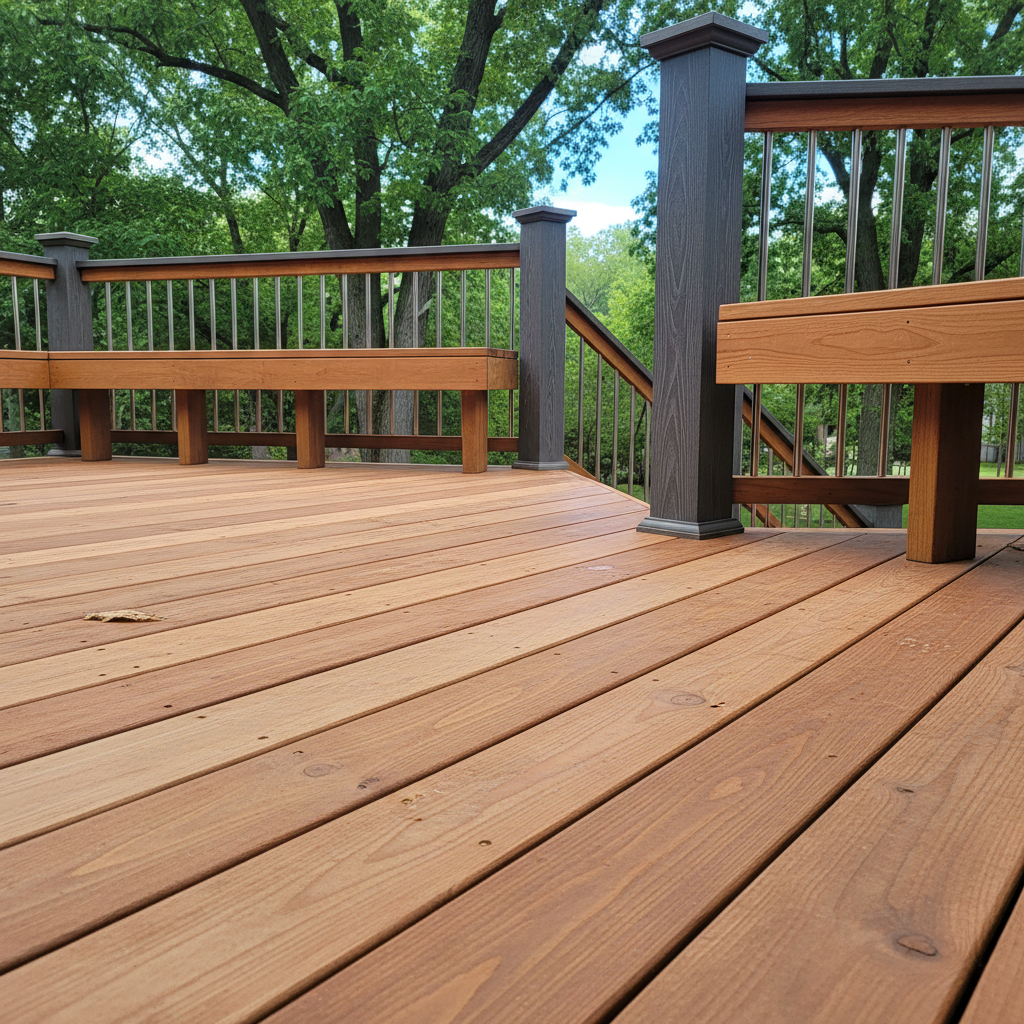
Before You Even Start Digging
So, you're dreaming of a new deck, maybe a nice spot for grilling out in Linden Hills or just somewhere to relax after a long week. That's awesome! But before you even think about buying lumber, there are a few really important things you gotta nail down. First off, permits. This isn't optional, folks. The City of Minneapolis has specific requirements for deck construction, and you'll need to get a building permit. This ensures your deck is safe and up to code. Don't skip this; it'll save you a huge headache down the road if you ever decide to sell your house or if an inspector comes calling.
Next, know your property lines. You don't want to accidentally build on your neighbor's land. A quick call to Gopher State One Call (811) is also crucial to mark out any underground utilities before you start digging post holes. You really don't want to hit a gas line or an electrical conduit; that's a bad day for everyone.
Then, think about your design. What do you want your deck to do? Is it for entertaining, a quiet retreat, or just a place to put your grill? This will dictate size, shape, and materials. Consider the sun exposure, how it connects to your house, and what kind of views you're trying to create or preserve.
What You Can Realistically DIY
Alright, let's talk about what a handy homeowner can probably handle themselves. If you've got some basic carpentry skills, a good set of tools, and a willingness to learn, you can definitely tackle parts of a deck project. Things like demoing an old deck (carefully, of course) can be a good DIY start. Measuring and cutting deck boards, especially for the surface, is also pretty straightforward once you get the hang of it. Installing railings, particularly pre-fabricated systems, can be manageable. Even staining or sealing the deck once it's built is a perfect weekend warrior job.
For smaller, simpler decks, say a low-level platform deck that doesn't require complex footings or attachment to the house, you might be able to do a lot more. Just remember, precision matters. A slightly off-level deck is going to bug you forever, and it can even compromise the structure.
When It's Time to Call Elite Deck Solutions
Here's where I'm going to be straight with you: for most deck projects, especially anything elevated or complex, calling in a professional is not just a good idea, it's often essential for safety and longevity. Framing, for example, is where a lot of DIYers get into trouble. Getting your ledger board properly attached to your house, ensuring your joists are spaced correctly and level, and pouring concrete footings that can withstand our Minnesota frost heave – these are critical structural elements. If these aren't done right, your deck won't just look bad; it could be unsafe. We've seen plenty of decks in older neighborhoods like Prospect Park where the original footings weren't deep enough, and the whole thing starts to heave and settle unevenly after a few winters.
Also, if your deck involves stairs, multiple levels, or is attached to a second story, that's definitely pro territory. The engineering and safety considerations increase significantly. We've got the experience and the right equipment to get these complex jobs done efficiently and, most importantly, safely and up to code. We also know the ins and outs of local building inspectors and what they're looking for, which can save you a lot of time and potential re-work.
Electrical work for lighting or outlets on your deck? Unless you're a licensed electrician, that's another job for a pro. Water features, built-in benches that need structural support, or anything that requires specialized tools or heavy lifting equipment – these are all good reasons to pick up the phone. We at Elite Deck Solutions handle these kinds of projects day in and day out, ensuring everything is built to last and looks fantastic.
After the Build: Maintenance Matters
Whether you DIY or hire us, once that deck is built, your job isn't over. Regular maintenance is key to making sure your investment lasts. This means cleaning it annually, checking for loose boards or fasteners, and re-staining or sealing it every few years, depending on the material and exposure. Our harsh Minneapolis winters with all that snow and ice can really take a toll on wood, so staying on top of maintenance will keep your deck looking good and extend its life significantly. Don't let it get to the point where it's falling apart; a little preventative care goes a long way.