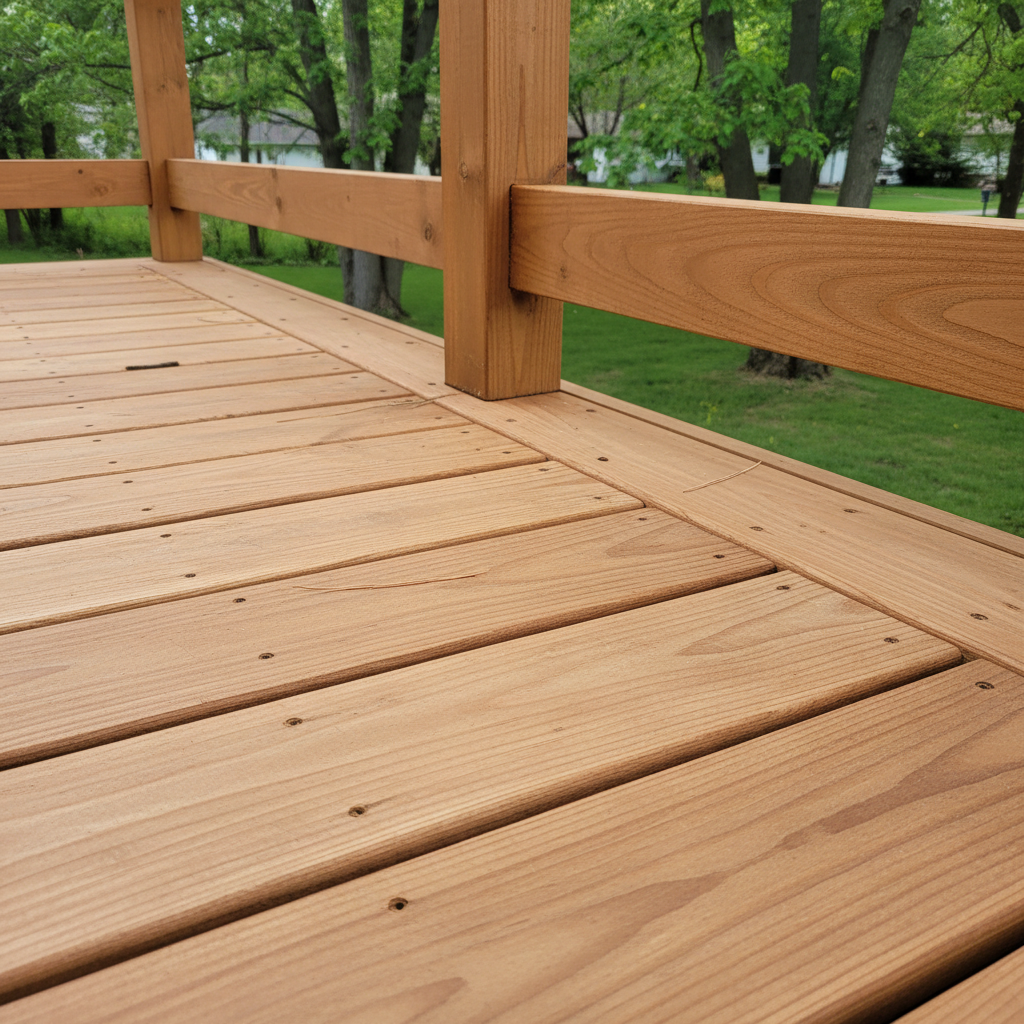
Thinking About a New Deck? Here's the Deal.
So, you're dreaming of a new deck out back. Maybe you've been scrolling through Pinterest, or perhaps your old deck is just plain falling apart. Either way, it's a big project, and one of the first questions folks ask me is, "Can I do this myself?" It's a fair question, and the answer isn't always a simple yes or no. It really depends on your skills, your time, and what kind of deck you're after.
I've been building decks around Minneapolis for years with Elite Deck Solutions, and I've seen everything from impressive DIY jobs to absolute nightmares. Let's talk about what you need to know before, during, and after you start swinging that hammer.
Before You Start: The Planning & Paperwork
First things first, you can't just slap a deck down wherever you want. Minneapolis has rules, and you've got to follow them. This is where a lot of DIYers get tripped up, and it's also where a good contractor earns their keep.
- Permits, Permits, Permits: You absolutely need a building permit for a new deck or a significant rebuild. Don't skip this. The city's inspectors are there to make sure your deck is safe and up to code. If you build without one, you could face fines, or worse, have to tear it down. The Minneapolis Department of Regulatory Services has all the info you'll need.
- Understanding the Code: Deck codes cover everything from footing depth (super important here in Minnesota with our frost lines – we're talking 42 inches deep, minimum!) to railing height and stair rise. If you're not familiar with these, it's a steep learning curve.
- Design & Materials: This is the fun part, right? Think about what you want your deck to do. Is it for grilling, entertaining, or just a quiet spot for coffee? This will dictate size, shape, and materials. Wood like cedar or treated pine is classic, but composite decking is super popular now because it's low maintenance.
- Call Before You Dig: Seriously, call Gopher State One Call (811) before you put a shovel in the ground. You don't want to hit a gas line or power cable. It's free, it's easy, and it could save your life.
DIY Potential: You can definitely handle the design ideas and material research yourself. You can even pull your own permit if you're comfortable reading blueprints and code books. But if the thought of drawing up plans that meet structural requirements makes your head spin, that's a sign to get a pro involved early.
During Construction: The Nitty-Gritty
This is where the rubber meets the road. Building a deck is physical work, and it requires precision. There's a sequence to it, and if you mess up one step, it can throw everything else off.
- Footings & Framing: This is the foundation of your deck, literally. Digging those 42-inch deep holes, pouring concrete, and setting posts perfectly plumb is crucial. If your footings aren't right, your deck will sag, shift, or worse. The framing – the beams and joists – needs to be square, level, and securely fastened. This is not the place to cut corners.
- Attaching to the House: If your deck is attached to your house, how it's connected is critical for safety. It needs proper flashing to prevent water damage to your home and strong ledger board connections. This is a common point of failure for DIY decks if not done correctly.
- Decking, Railings & Stairs: Laying the deck boards can be satisfying, but getting consistent spacing and straight lines takes patience. Railings need to be sturdy and meet code for height and baluster spacing. Stairs are surprisingly tricky to get right – the rise and run have to be consistent and comfortable to walk on.
DIY Potential: If you've got experience with carpentry, know how to read a tape measure, and own the right tools (saws, drills, levels, post-hole diggers), you might be able to tackle the decking, railings, and even some of the framing. But for the footings, ledger board attachment, and complex framing, especially if you're not experienced, I'd strongly suggest calling in a professional. We've got the specialized tools and the know-how to make sure it's done right and passes inspection the first time.
After It's Built: Maintenance & Enjoyment
So, you've got your beautiful new deck. Now what? The work isn't entirely over, but this part is definitely easier.
- Inspections: If you pulled a permit, you'll have final inspections. Make sure everything's accessible for the inspector.
- Cleaning & Sealing: Even composite decks need occasional cleaning. Wood decks will need sealing or staining every few years to protect them from our harsh Minnesota weather – those freezing winters and humid summers can really do a number on untreated wood.
- Regular Checks: Just give your deck a once-over every spring. Look for loose boards, wobbly railings, or any signs of rot or insect damage. Catching small problems early can save you a lot of headache and money down the road.
DIY Potential: This part is 100% DIY friendly. You can absolutely handle cleaning, sealing, and those annual checks yourself. It's just part of being a homeowner.
Look, building a deck isn't rocket science, but it's also not assembling IKEA furniture. There are serious structural and safety considerations, especially with our specific climate and building codes here in Minneapolis. If you're confident in your skills and have the time, go for it. But if you're feeling overwhelmed, or if you want the peace of mind that comes with a professionally built, safe, and code-compliant deck, don't hesitate to reach out to us at Elite Deck Solutions. We're here to help you enjoy your backyard space without the stress.